
Appliance Technical Guide

7 signs that your refrigerator needs repair

Food spoiling quickly, strange rattling sounds, or persistent puddles around the base reveal serious cooling issues. Recognizing these critical symptoms early helps prevent catastrophic compressor breakdown and costly electrical damage.

July 22, 2026
Author: David R.
6 min read
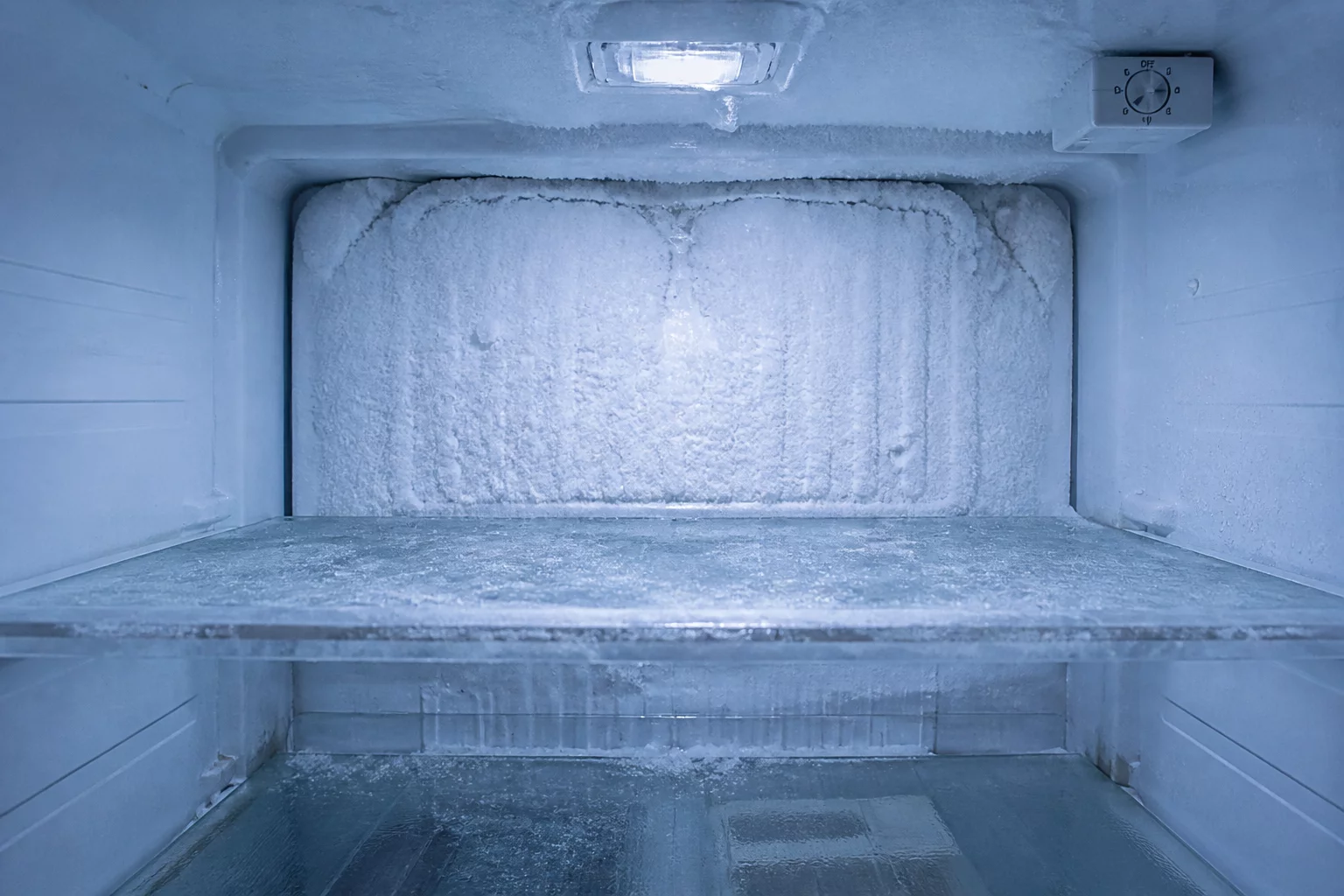
Frost buildup inside a malfunctioning refrigerator.

Primary Warning Indicators of Refrigerator Failure

A dependable refrigerator runs quiet cooling cycles throughout the day while maintaining uniform temperatures across all interior shelves. Frequent cycling, dense ice sheets on the rear evaporator compartment, and lukewarm dairy produce point toward failing thermostat regulators or refrigerant loss. Ignoring these early signs places immense mechanical stress on the sealed hermetic compressor.

Key Diagnostic Note

When condensation forms droplets across the exterior door frame or the rubber gasket remains sticky and damp, the door seal has lost airtight elasticity. Warm ambient humidity enters the chamber constantly, triggering severe evaporator coil icing.

Critical Hardware Failures and Operational Symptoms

Mechanical degradation manifests through distinct operational anomalies. Water accumulating underneath the crisper drawers indicates a blocked defrost drain tube, while loud clicking sounds signify a damaged starter relay switch trying repeatedly to activate an overheated compressor motor.

Defrost Cycle Breakdown

Defective bimetal defrost thermostats or burned defrost heater elements allow thick frost layers to choke air circulation paths between the freezer and fresh food section.

Evaporator Fan Seizure

Worn bearing assemblies in the internal evaporator fan create high-pitched buzzing and stop forced convection, leaving the refrigerator warm while the freezer freezes solid.

Step-by-Step Inspection Checklist

  • Inspect the back wall of the freezer compartment for solid ice buildup or snow-like frost sheets blocking internal air vents.
  • Check the bottom drip pan and front kick plate for pooling water caused by cracked drain pans or disconnected defrost drain hoses.
  • Touch the exterior side panels and rear casing to identify extreme heat radiating from clogged condenser coils or struggling compressor components.

Frequently Asked Questions

Customer Experiences & Discussion

3 Insights
Mark

Mark

Verified Resident

Commented on Refrigerator Diagnostics • 07/16/2026

Good to know these signs.

Good to know these signs. My kitchen unit was humming non-stop last week and the checklist helped confirm that the condenser fan was jammed with dust.

Lisa
Lisa
Verified Client

Response on Fridge Symptoms • 07/18/2026

#Response-042

@Mark My fridge was doing exactly this. Water kept puddling under the vegetable bin until the technician cleared the frozen drain channel.

Customer reply
Tom

Tom

Verified Resident

Commented on Refrigerator Diagnostics • 07/20/2026

Time to call a technician.

Time to call a technician. The frost buildup in the freezer compartment reached almost an inch thick within two weeks. Booking a home repair visit straight away.

Leave a Comment

Share your feedback, appliance model observations, or questions with our technical team.

Service guide

Responding to Refrigerator Warning Signs

Temperature changes

Food spoiling faster than usual, warm compartments, or continuous running may point to airflow, thermostat, door-seal, defrost, fan, or cooling-system issues. Use a separate thermometer if you need to check the actual temperature.

Water, frost and noise

Water beneath the refrigerator, heavy frost, repeated clicking, or a new grinding noise can help narrow the investigation, but no single symptom identifies the failed part with certainty.

Protect food safety

If refrigeration has failed, minimise door opening and move perishable food to a safe alternative if possible. Follow local food-safety guidance for food that has been held at unsafe temperatures.

Avoid sealed-system DIY work

Refrigerant circuits and compressor electrical components require appropriate tools and trained handling. Do not cut refrigerant lines or attempt to recharge a system yourself.

Detailed repair information

Seven Refrigerator Warning Signs Explained

Refrigerator problems often begin with subtle changes: longer running times, uneven temperatures, recurring frost or small water pools. Recognising these signs early can help protect food and may prevent a minor airflow or seal issue from becoming a larger repair.

1. Food is warmer than expected

Check the setting, door closure and air vents, then measure temperature if you have a suitable thermometer. A persistent rise can involve fans, sensors, defrost components or the cooling system. Keep doors closed and protect perishable food if safe storage temperatures cannot be maintained.

2. The compressor runs almost continuously

Warm surroundings, frequent door openings and blocked ventilation can increase run time, but a damaged seal, dirty accessible condenser area or cooling fault may also contribute. Compare the pattern with normal operation and arrange inspection if cooling is poor.

3. Frost returns quickly

Heavy frost near the door can point to a seal or closure problem; frost across internal panels may relate to airflow or defrost operation. Do not scrape ice with sharp tools. Record where frost appears and how quickly it returns.

4. Water pools inside or underneath

A blocked defrost drain, water line or drip tray can be responsible. Note whether the water is under the vegetable drawers, at the rear or near a connected dispenser. Keep water away from electrical outlets and do not move a heavy built-in unit unsafely.

5. A fan grinds or repeatedly stops

A fan can be obstructed by ice or may have a worn motor. Do not reach through vents or remove panels while powered. Persistent grinding together with weak cooling deserves prompt attention.

6. Clicking repeats but cooling does not start

Repeated clicks may be associated with a start component, compressor or control issue. The sound does not prove which part failed, so a technician should test the system before replacing components.

7. The door seal is torn or no longer grips

Clean the gasket gently and check for visible tears or distortion. If the door cannot seal evenly, warm air and moisture can enter and reduce efficiency. A damaged gasket or hinge may need replacement or adjustment.

How diagnosis and repair should work

When arranging service, provide temperature readings, the location of frost or water, noise patterns and whether the problem affects both compartments. A technician can use this information to focus checks on seals, fans, defrost controls, sensors and the cooling circuit. Refrigerant and compressor work should be left to suitably qualified personnel.

Maintenance that may prevent repeat problems

Keep seals clean, avoid overfilling shelves, leave internal air channels clear and follow the manual for cleaning accessible heat-rejection areas. Use a thermometer if you suspect temperature drift and avoid repeatedly changing the thermostat without tracking the result.

Frequently asked questions

These answers are general guidance. Appliance designs vary, so always follow the manufacturer's manual and use a qualified technician for hazardous or internal repairs.

Which refrigerator warning sign is most urgent?

Loss of safe cooling, electrical burning smells, smoke or water near electrical parts should be treated promptly. Protect food and stop using the appliance if there is an immediate hazard.

Can I fix frost by chipping it away?

No. Sharp tools can puncture internal liners or cooling lines. Follow the approved defrost instructions.

Does a loud refrigerator always need repair?

Some operating sounds are normal, but new grinding, repeated clicking or unusual noise combined with poor cooling should be checked.

Safety comes first

Stop using an appliance if you notice smoke, a burning smell, exposed wiring, repeated electrical tripping, a gas smell, a damaged microwave door or water near electrical components. Do not bypass safety devices or open sealed/high-voltage systems. Isolate power or water only when it is safe to do so and contact an appropriately qualified service professional.