Laundry Care
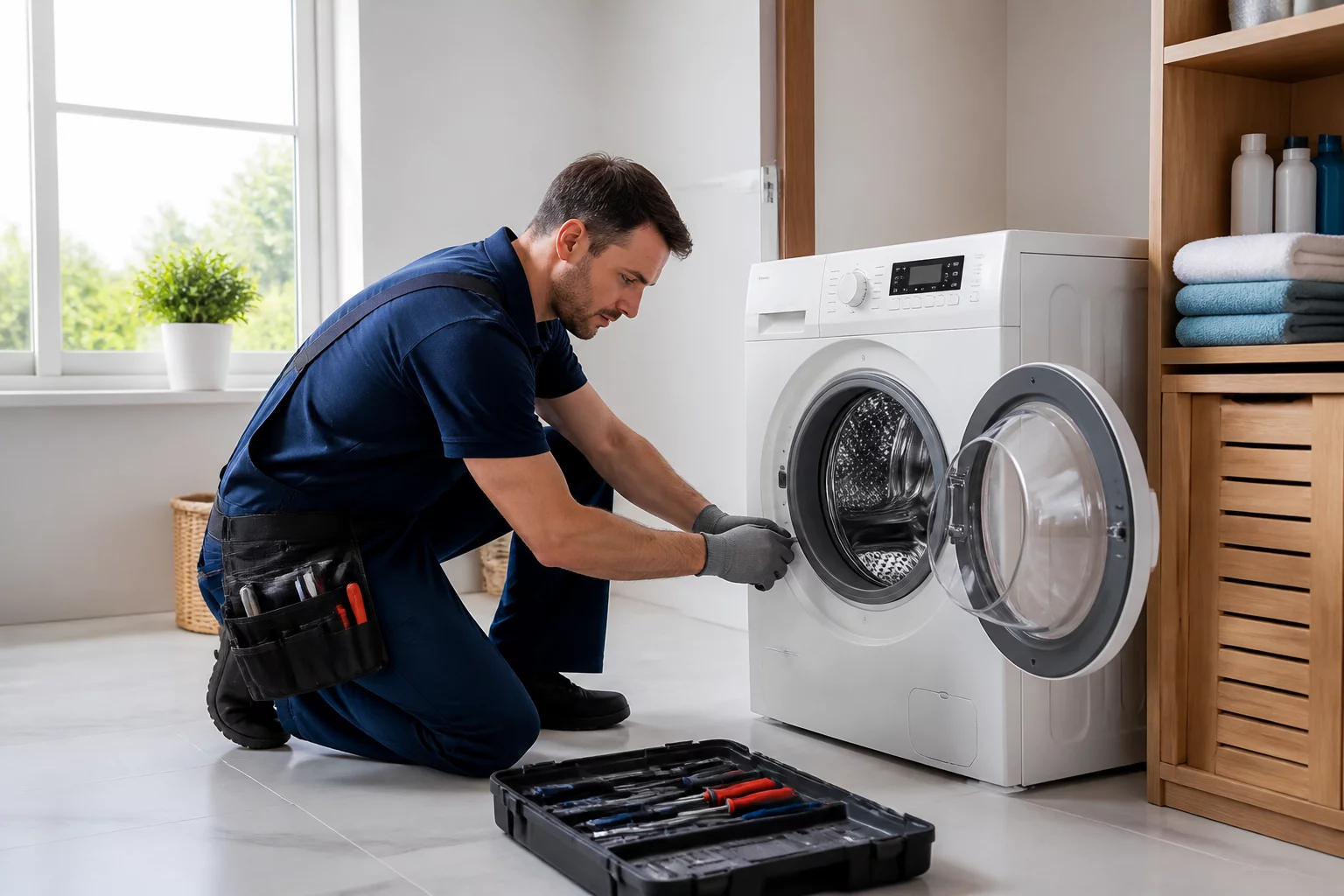
Washing Machine Repair
Prompt diagnostic service for front-load and top-load washers, addressing spin cycle failures, leaks, and drainage issues.
Comprehensive diagnostic and repair solutions across Ajman. Certified technicians for laundry, kitchen, and refrigeration appliances with prompt on-site support.
Laundry Care
Prompt diagnostic service for front-load and top-load washers, addressing spin cycle failures, leaks, and drainage issues.
Laundry Care
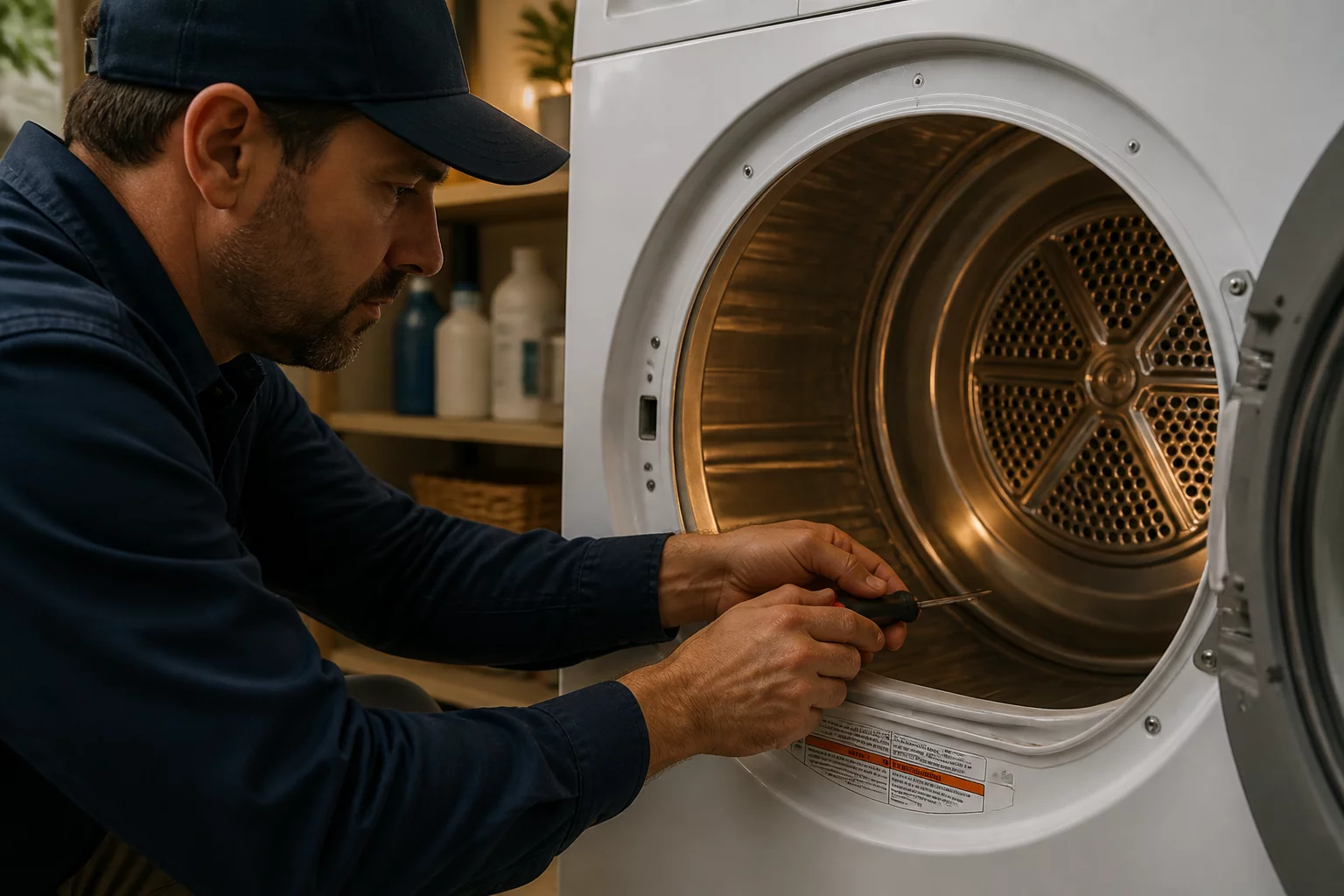
Professional troubleshooting for clothes dryers experiencing heating faults, belt breakdown, drum rotation issues, and thermal sensor errors.
Kitchen Tech
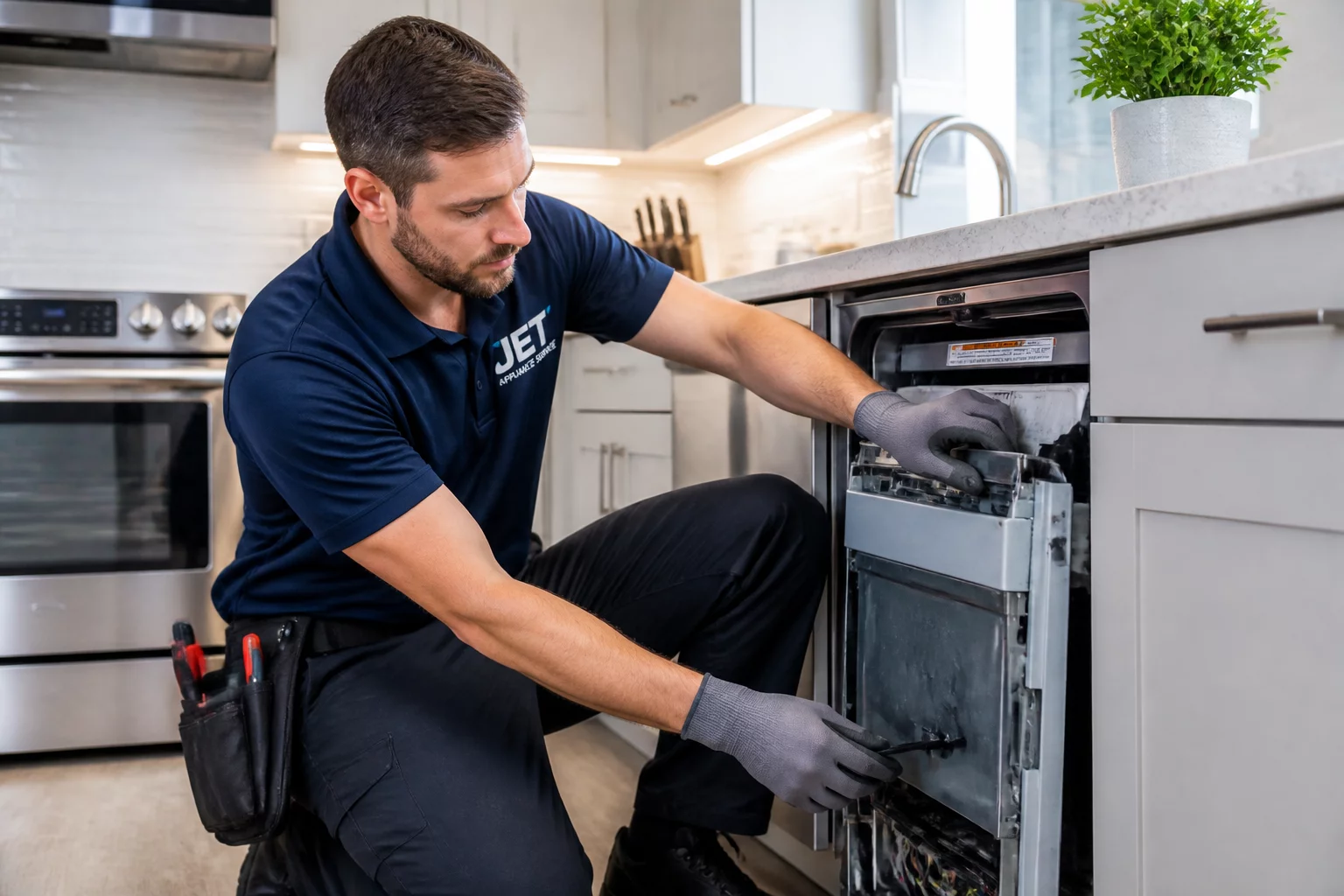
Comprehensive technical service for built-in and freestanding dishwashers with water circulation, drain blockage, or heating faults.
Refrigeration
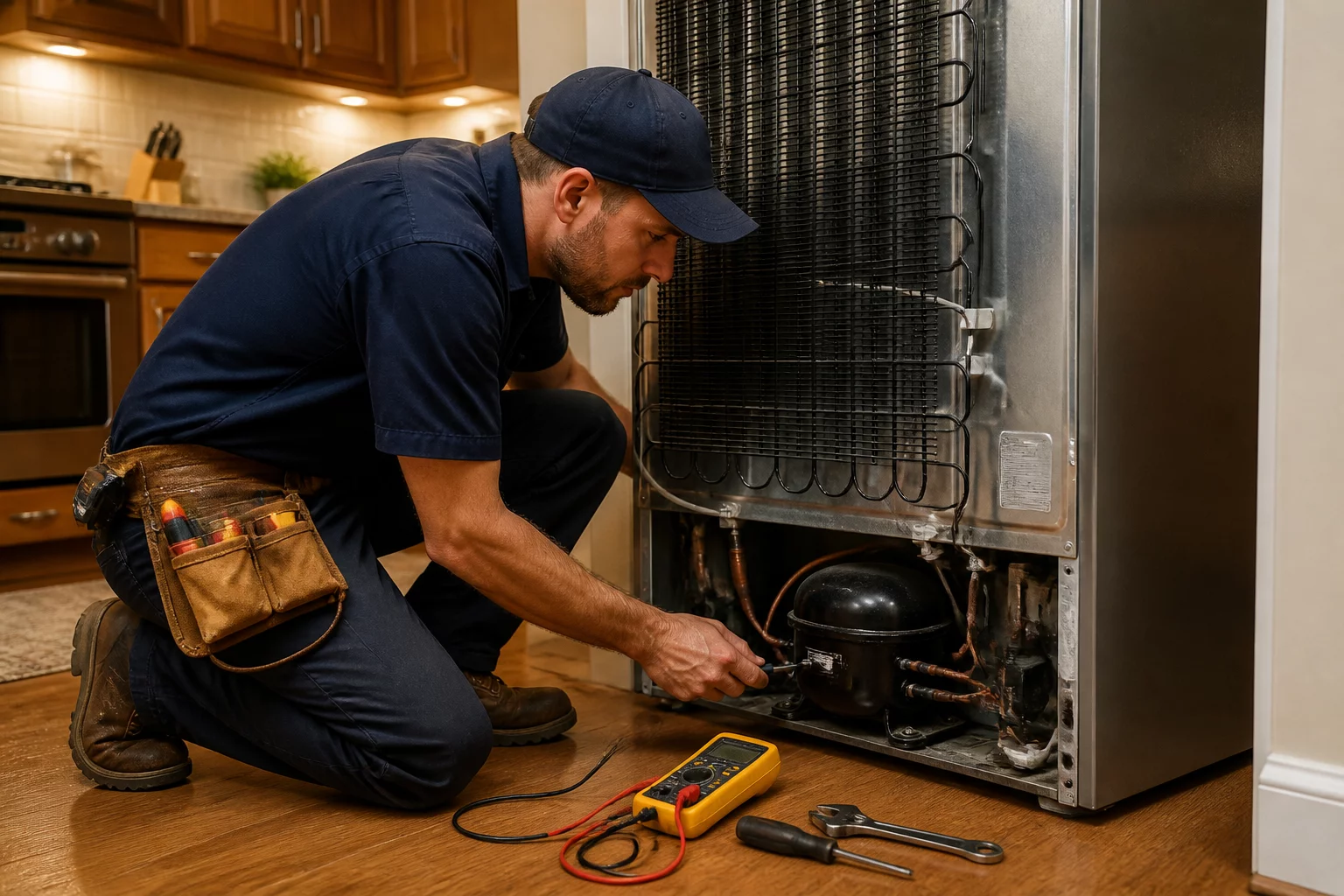
Expert refrigeration mechanics addressing compressor faults, refrigerant leak detection, thermostat recalibration, and frost build-up.
Refrigeration
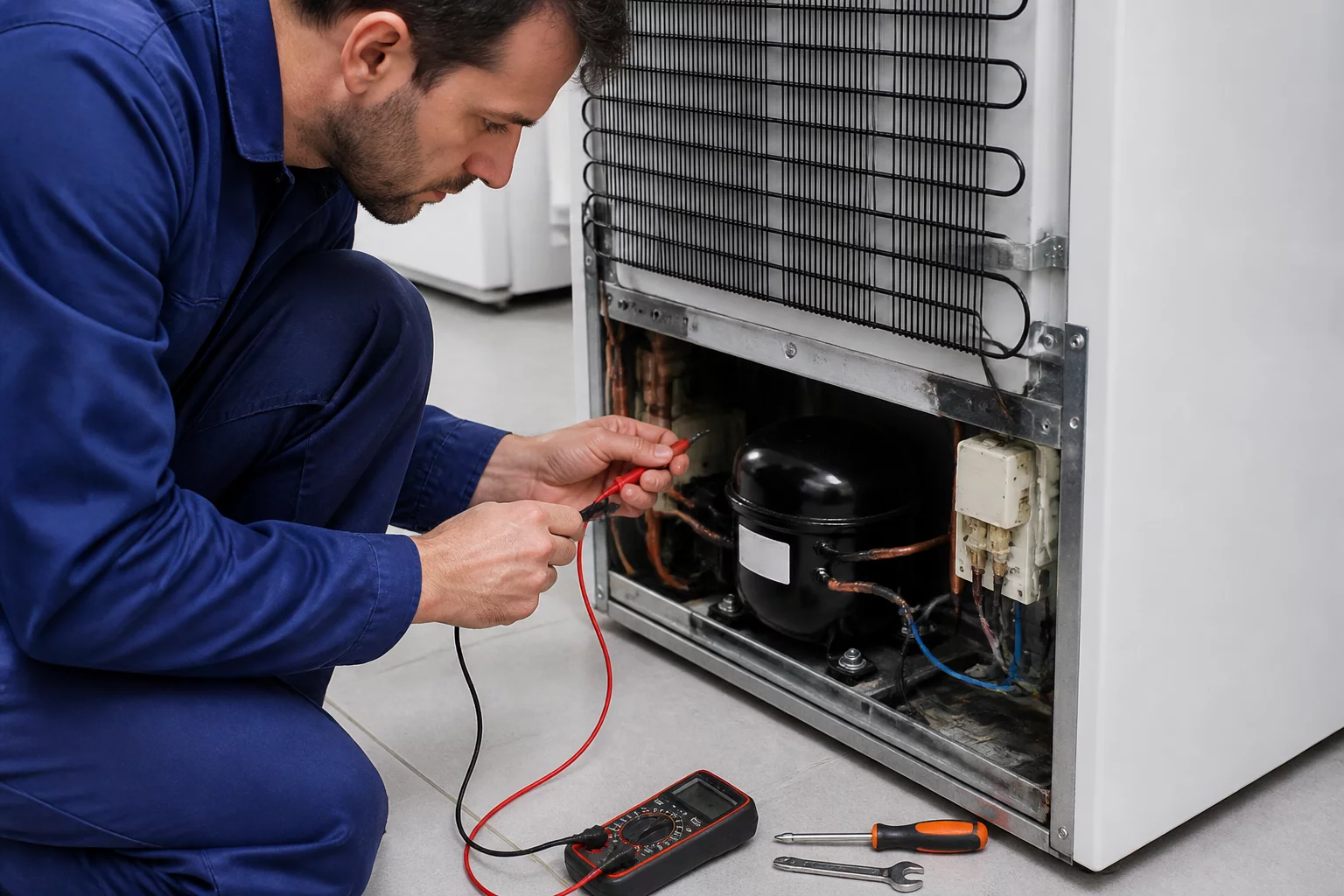
Specialized repair for upright and chest freezers, addressing cooling cycle defects, fan motor failures, and defrost timer malfunctions.
Cooking Tech
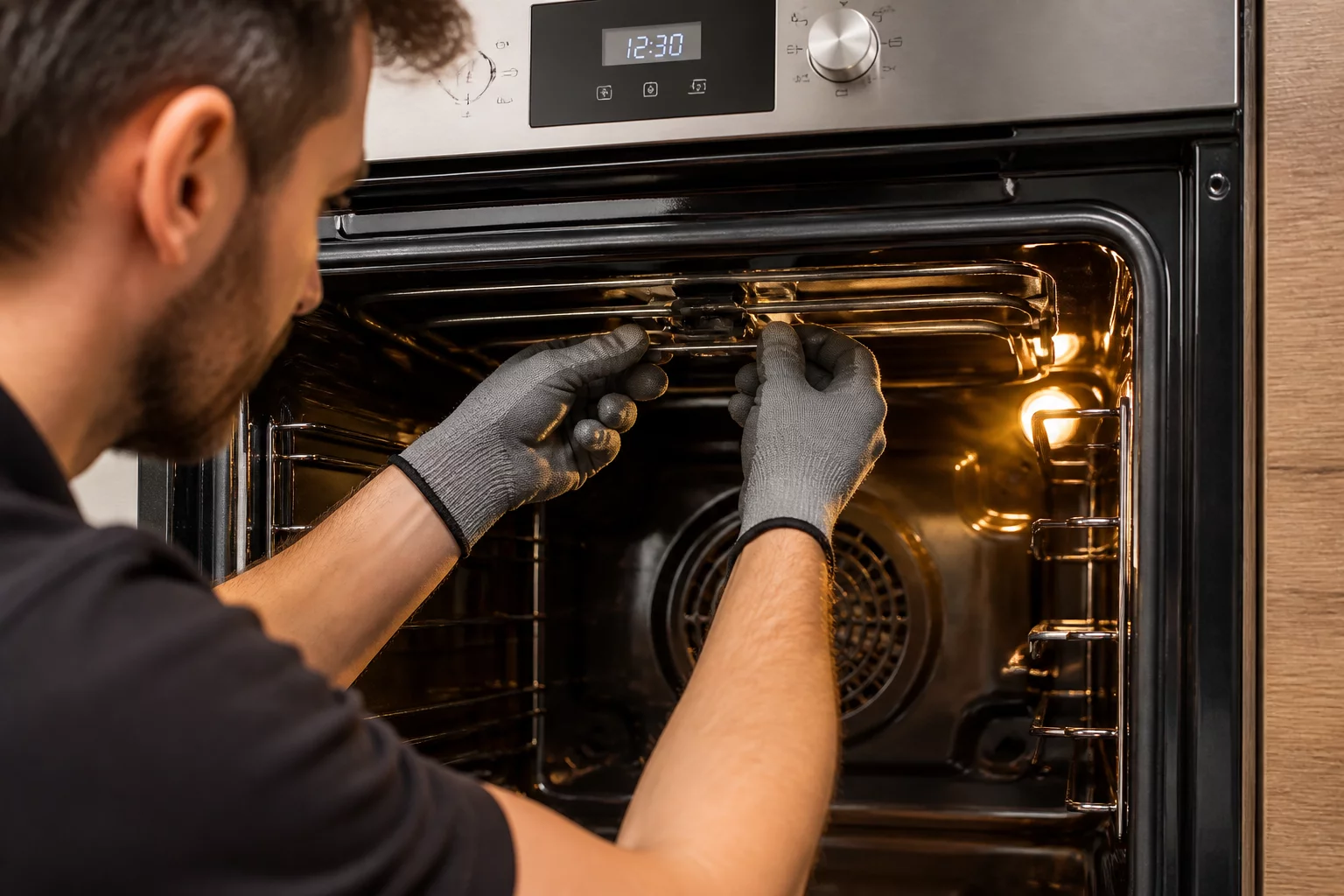
Precision diagnostics for electric built-in and standalone ovens, resolving faulty heating elements, broken selectors, and uneven baking.
Cooking Tech
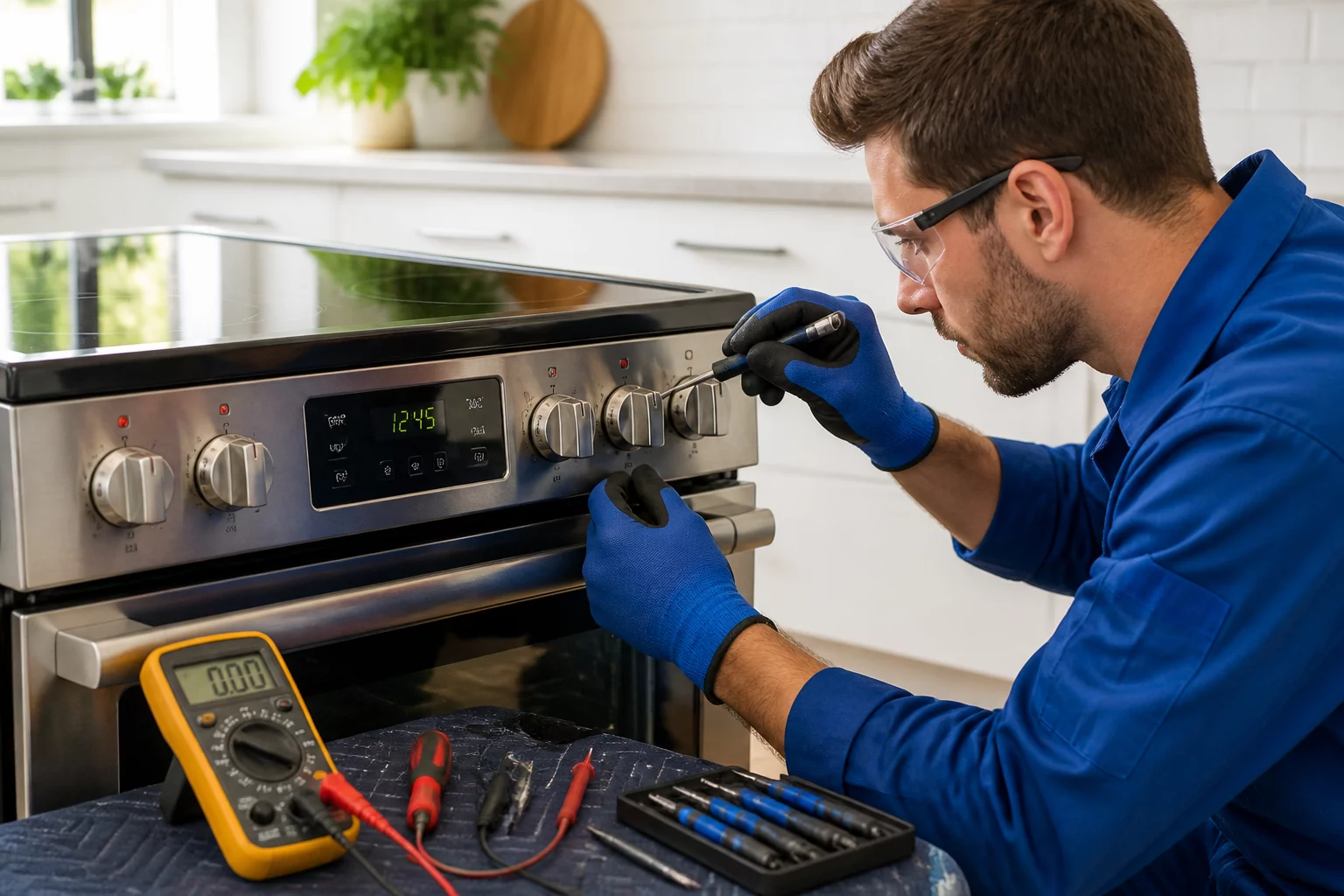
Reliable troubleshooting for kitchen cookers, addressing ignition failures, switch replacements, and main heating assembly issues.
Cooking Tech
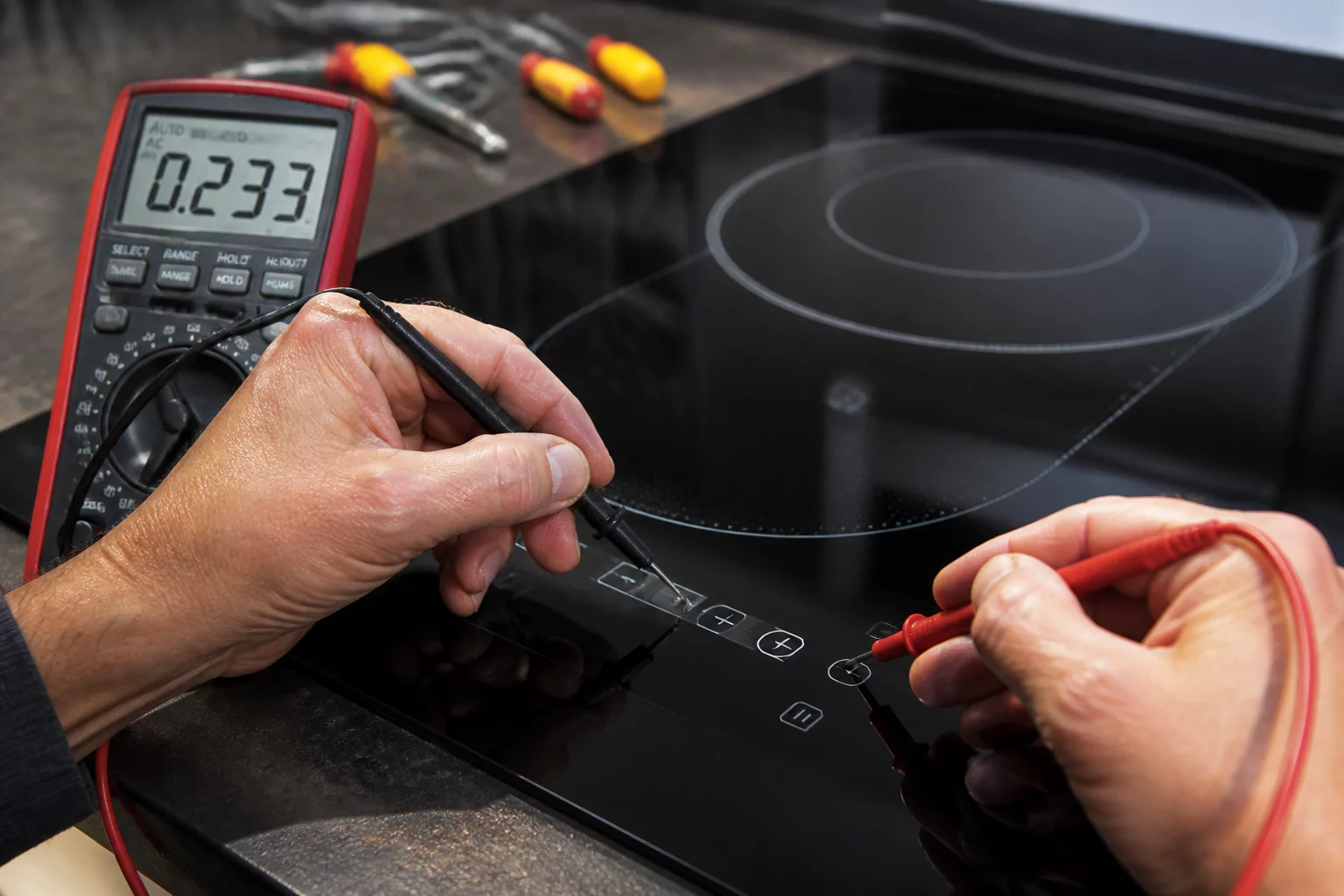
Specialized repairs for ceramic, induction, and coil electric stove tops, addressing surface controls, sensor boards, and burner coils.
Small Appliances
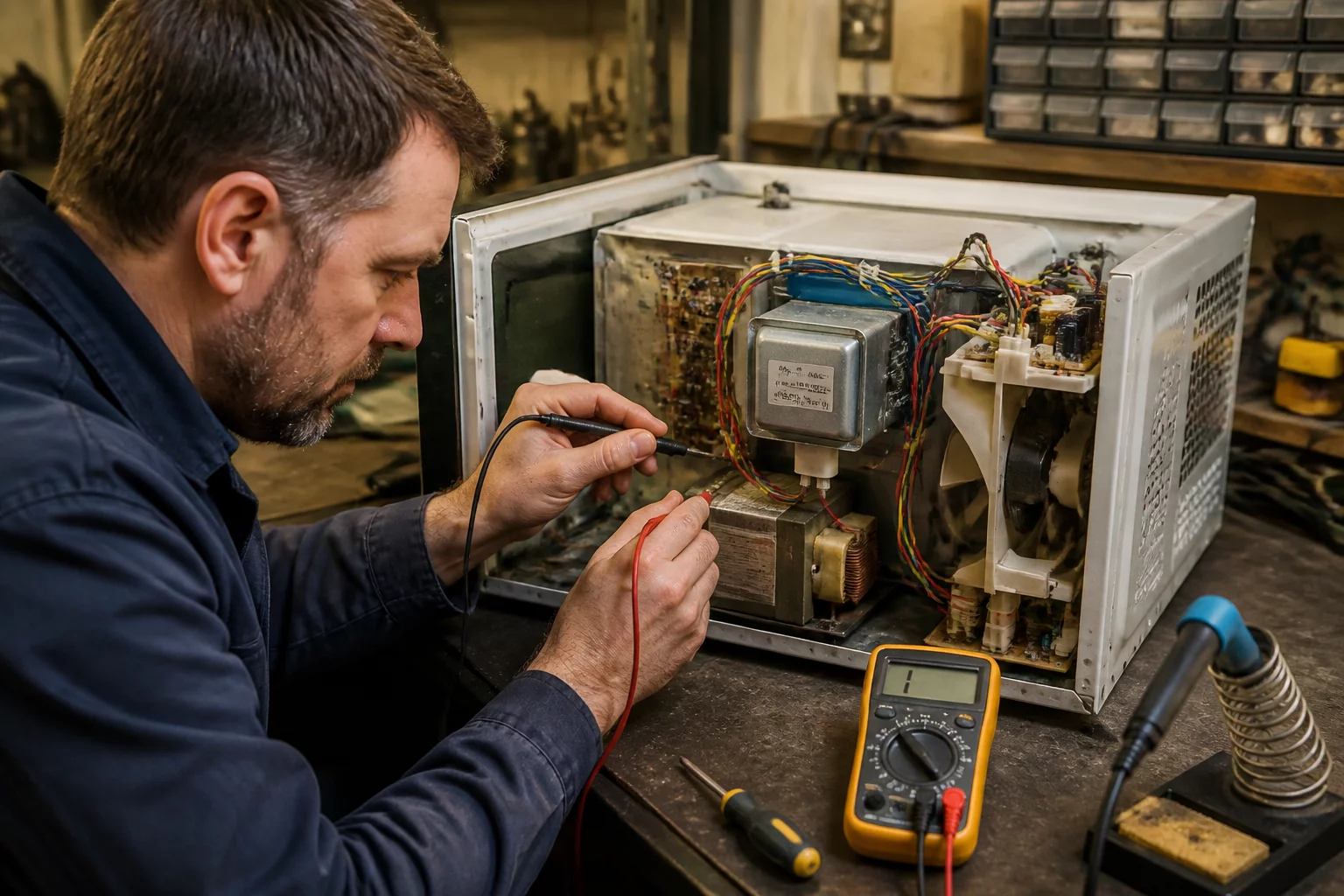
Safe inspection and circuit repair for microwaves, fixing magnetron failures, turntable motors, control panels, and door switches.
Dispenser Care
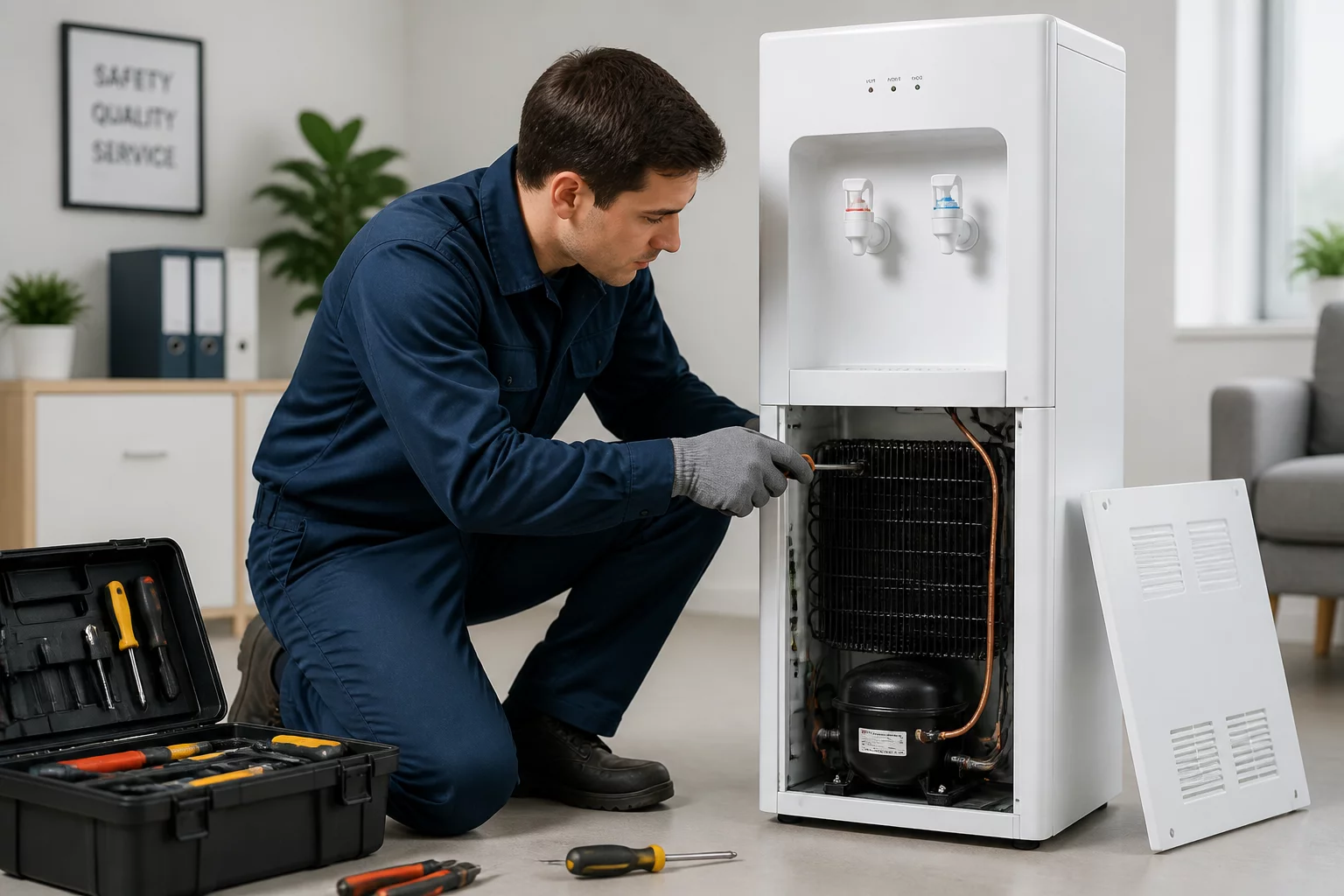
Technical maintenance for floor-standing and tabletop water coolers, handling cooling mechanism repairs, water leaks, and sterilization.
Refrigeration
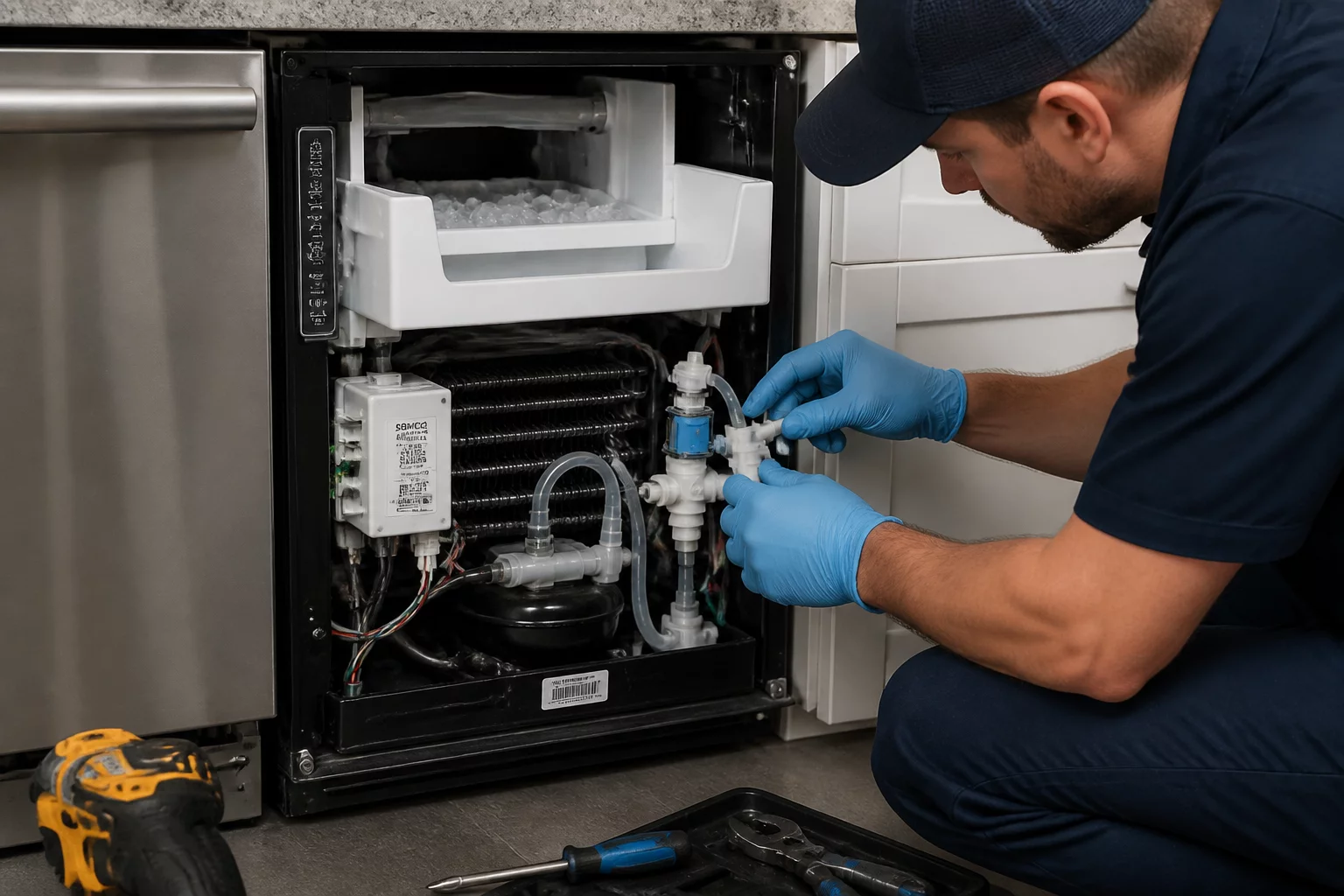
Restoring under-counter and integrated ice makers, resolving harvest cycle errors, low ice production, water valve clogs, and freezing issues.
Kitchen Tech
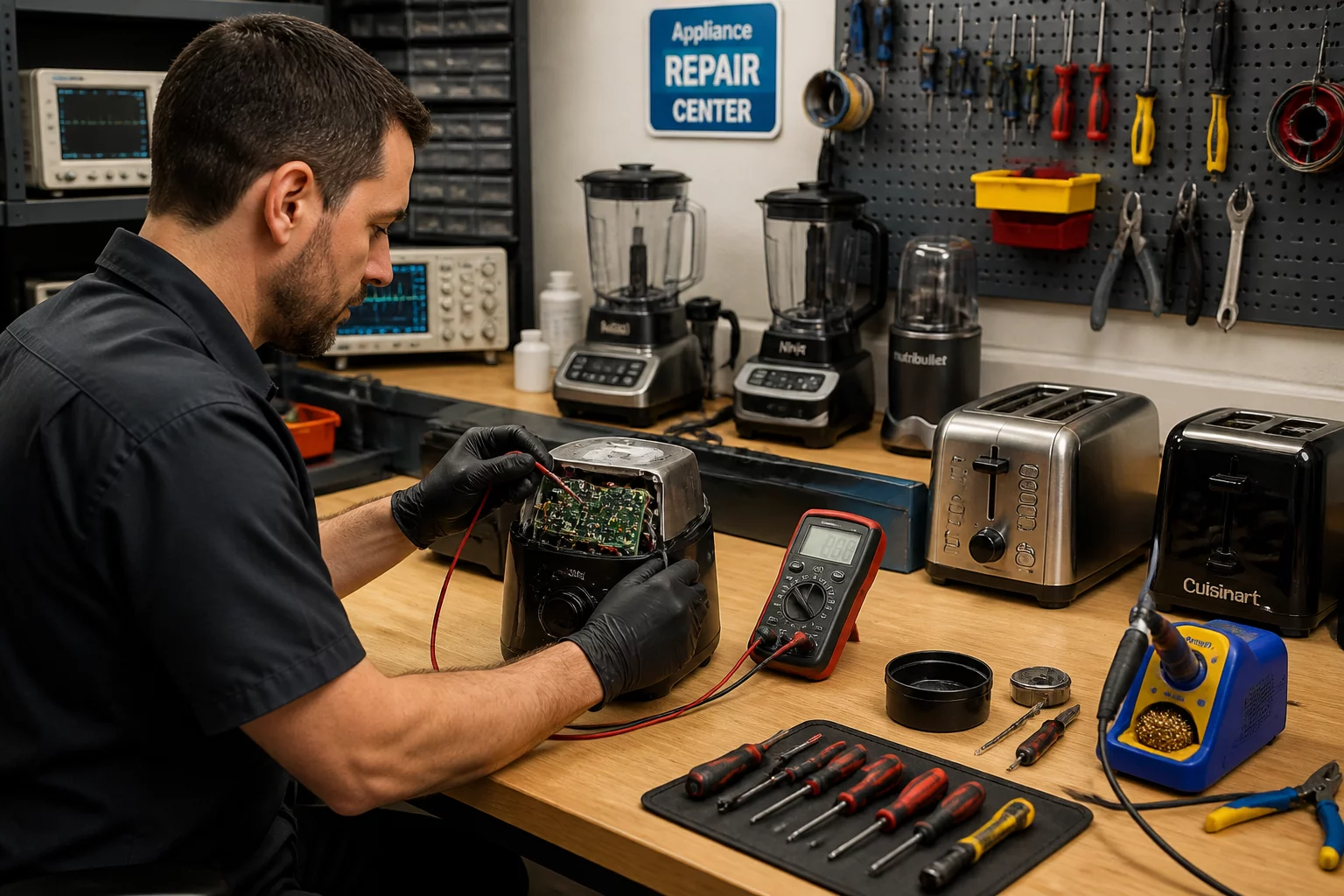
Complete diagnostics and technical servicing for diverse electrical kitchen equipment, motors, control switches, and heating units.
Try adjusting your search criteria or select another category filter.
Choose the appliance category that best matches your issue, then describe the symptom rather than assuming a particular component has failed. Accurate symptom details make initial guidance more useful.
Before work begins, ask what the diagnostic fee covers, whether parts and labour are itemised, and whether additional approval will be requested if the fault changes during inspection.
Confirm whether replacement parts are original, compatible, refurbished, or otherwise sourced, and obtain any applicable parts or workmanship warranty in writing. Coverage can vary by repair and component.
Provide safe access to the appliance, secure pets, and remove items that obstruct inspection. If the appliance is leaking or has an electrical safety issue, explain this when arranging the appointment.
The right repair starts with a clear description of the fault, a careful inspection and an estimate that explains the proposed work. Different appliances use different components and safety procedures, so a reliable service process should be specific to the appliance and model rather than based on a generic promise.
Washer diagnosis may cover filling, drainage, spin, vibration, leaks and electronic controls. Dryer diagnosis should consider airflow, heat, drum drive and thermal safety. Share any error code, cycle stage and unusual sound, and stop using the appliance if it leaks, overheats or smells burnt.
Cooling services can involve seals, fans, sensors, defrost controls, water lines and start components. Temperature and frost patterns are useful clues. Sealed-system and refrigerant work requires appropriate training and equipment; it should not be treated as a routine DIY task.
These appliances combine water, electrical components and hygiene-sensitive parts. Leaks should be addressed promptly, while filters and accessible components should be cleaned only as the manual directs. Describe whether water enters, heats, circulates, drains or dispenses normally.
Heating appliances require particular attention to electrical, gas and thermal safety. A gas smell, cracked cooktop, damaged microwave door, smoke or repeated breaker trip means the appliance should not be used until assessed. Internal microwave and live electrical repairs should be handled by qualified personnel.
A sensible repair appointment follows four stages: gather the appliance details and symptoms; inspect and diagnose the likely cause; provide an estimate that identifies parts, labour and any applicable warranty; and complete the approved work with suitable operational checks. Ask questions if the proposed repair is unclear, and request approval before additional work outside the agreed scope.
Regular maintenance depends on appliance type. Common habits include cleaning accessible filters, keeping ventilation clear, checking visible hoses and seals, avoiding overloading and following the manufacturer's instructions. Maintenance cannot prevent every failure, but it can help reveal changes early and reduce avoidable strain.
These answers are general guidance. Appliance designs vary, so always follow the manufacturer's manual and use a qualified technician for hazardous or internal repairs.
Give the appliance type, brand, model number if available, age, fault symptoms, any error code, and whether there is water leakage, unusual heat or electrical tripping.
A preliminary estimate may be possible, but the confirmed cause, parts availability and labour requirements can affect the final quote. Ask for the pricing basis before authorising work.
Compare the confirmed repair cost, safety condition, energy use, part availability and likely remaining service life. A diagnosis and transparent estimate help you make an informed choice.
Stop using an appliance if you notice smoke, a burning smell, exposed wiring, repeated electrical tripping, a gas smell, a damaged microwave door or water near electrical components. Do not bypass safety devices or open sealed/high-voltage systems. Isolate power or water only when it is safe to do so and contact an appropriately qualified service professional.