Technical Diagnostic & Repair

Cooker Repair & Maintenance in Ajman

Professional diagnostics and restoration for freestanding kitchen cookers. We repair heating elements, gas igniters, electronic thermostats, and power control units on-site across Ajman.

Updated August 2026
Service: Freestanding Cookers
Diagnostic Time: ~30-45 min
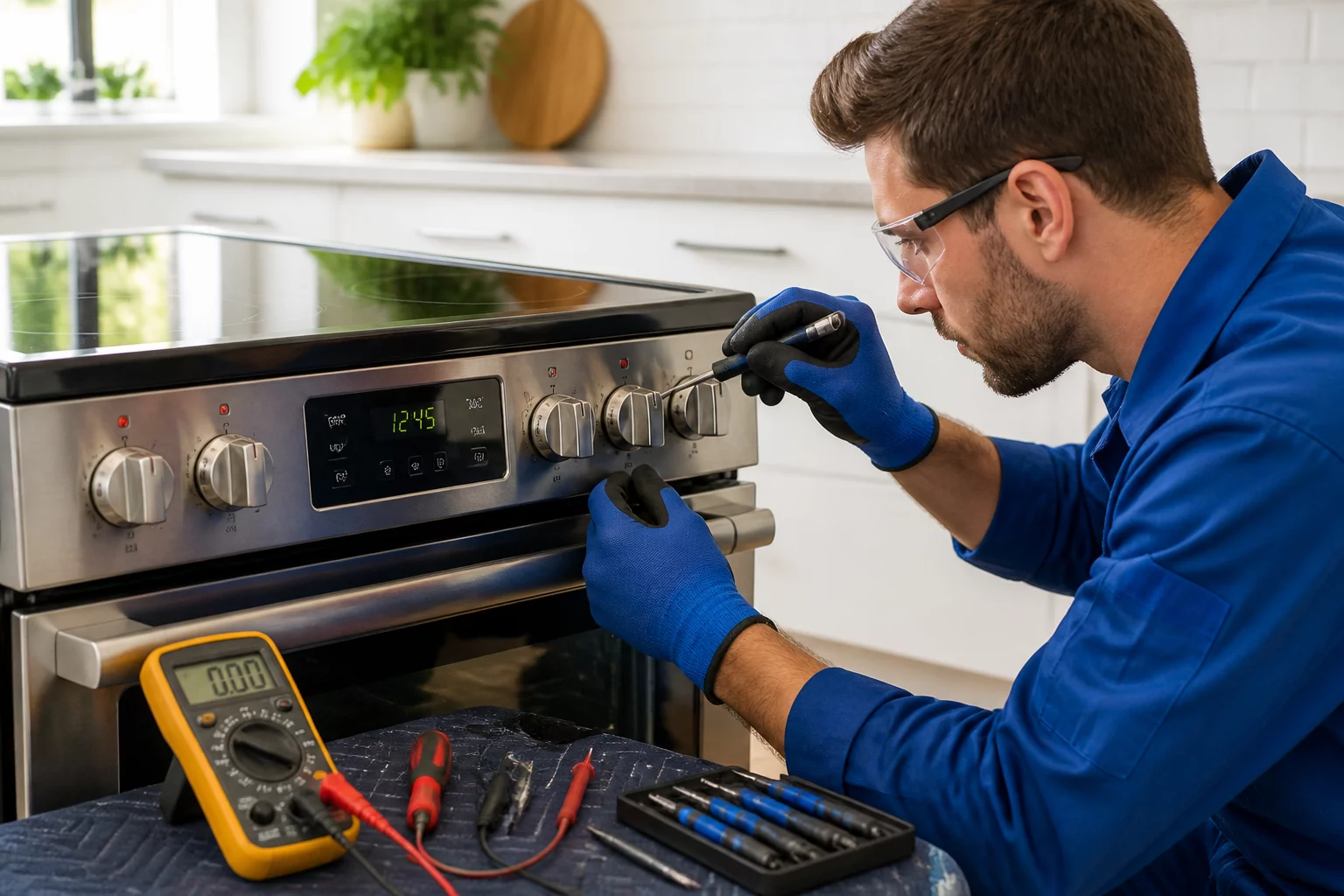
Service worker fixing a freestanding kitchen cooker

Complete Technical Restoration for Kitchen Cookers

Freestanding cookers handle heavy daily workloads in residential kitchens. High thermal cycles naturally place strain on internal heating coils, spark igniters, electronic control selectors, and temperature regulation probes. When a cooker fails to reach cooking temperatures or displays inconsistent burner output, a precise electrical and mechanical evaluation determines the root problem without requiring premature appliance replacements.

Key Diagnostic Note

Before replacing temperature sensors or heating elements, technicians always measure internal resistance across terminal connections. Repeated thermal expansion often loosens power wiring lugs, mimicking component failure.

Common Cooker Malfunctions Resolved Quickly

Most cooker issues develop gradually through grease buildup around burner jets or micro-fractures inside heating elements. Our technicians carry specialized testing meters, precision gas pressure detectors, and certified OEM components to rectify problems on location during the first visit.

Burner & Element Renewal

Rapid diagnosis and replacement of burned circular elements, failed spark plugs, and faulty ignition generator modules.

Thermostat & Door Calibration

Accurate calibration of oven capillary thermostats, cooling fan motors, and heat-resistant silicone door seals.

Step-by-Step Inspection Checklist

  • Isolate the cooker completely from the power source and verify the supply breaker before removing service panels.
  • Check heating element continuity using a digital multimeter to discover internal coil breaks and ground faults.
  • Inspect gas jet nozzles and ignition microswitches to clear carbon deposits that prevent smooth flame ignition.

Frequently Asked Questions

Customer Experiences & Discussion

0 Insights

No comments yet. Be the first to share your experience with our cooker repair service.

Leave a Comment

Share your feedback, appliance model observations, or questions with our technical team.

Service guide

Cooker Faults: Safety and Diagnosis

Recognise the symptom

Describe whether the cooker will not ignite, heats unevenly, trips power, displays an error, or has a damaged control. The type of cooker—gas, electric, ceramic, or induction—changes the checks required.

Keep the area safe

If you smell gas, do not operate switches or flames. Leave the area and contact the local gas emergency provider or emergency services from a safe location. Do not attempt to dismantle a gas valve or internal electrical component.

Diagnosis before replacement

A heating or ignition issue can involve the supply, element, igniter, thermostat, sensor, switch, wiring, or control board. Testing should identify the cause before parts are ordered.

Confirm the repair scope

Ask whether the quote includes the part, labour, testing, and any return visit. After work, confirm that the appliance is operating normally and that any safety checks relevant to the repair have been completed.

Detailed repair information

Cooker Repair: Heating, Controls and Safety

Cookers may combine an oven with gas burners, electric hotplates or induction zones. The right diagnostic approach depends on the fuel and design, and safety must come first whenever there is a gas smell, damaged cable, sparking or unexpected heat.

A burner or cooking zone will not heat

First identify whether the cooker is gas, electric or induction and whether one zone or the whole appliance is affected. For electric zones, a failed element, switch or control may be involved. For gas appliances, ignition, burner blockage or gas-supply issues are possible. Do not dismantle burners or touch internal wiring.

Heat is inconsistent or controls respond poorly

A thermostat, selector switch, temperature sensor, control board or damaged connection can lead to unreliable operation. Note whether the fault occurs on all settings or only one function. Avoid compensating with extreme settings because this can overcook food or conceal a worsening fault.

The oven door, hinges or seal are damaged

A loose door or worn gasket can release heat and reduce cooking consistency. Check for visible damage only when the appliance is cool. Do not force the door or continue using an oven if the hinge is unstable and the door cannot close safely.

The cooker sparks, trips electricity or smells of gas

Stop using the appliance. If you smell gas, do not operate electrical switches or create flames; leave the area and contact the relevant gas emergency service from a safe location. For electrical burning or repeated breaker trips, isolate power only if safe and arrange qualified repair.

How diagnosis and repair should work

Service begins by confirming the cooker configuration, brand and fault history. The technician then checks the affected function, safety controls, switches, heating or ignition components, wiring and door condition as appropriate. The proposed work and parts should be explained before repair, followed by functional and safety checks appropriate to the appliance type.

Maintenance that may prevent repeat problems

Keep burner caps and accessible surfaces clean in accordance with the manual, avoid spills entering controls, and ensure cookware is suitable for the cooking surface. Keep ventilation clear and do not store combustible items next to hot zones. Never attempt to adjust gas pressure or bypass ignition and flame-safety systems.

Frequently asked questions

These answers are general guidance. Appliance designs vary, so always follow the manufacturer's manual and use a qualified technician for hazardous or internal repairs.

What should I do if I smell gas?

Do not light flames or operate electrical switches. Leave the area and contact the local gas emergency service or supplier from a safe location.

Can one failed burner mean the whole cooker is broken?

Not necessarily. A single zone can have a local fault, while a total loss of function may indicate a supply or control issue. The appliance type and symptom pattern matter.

Should I continue using a cooker that trips the breaker?

No. Repeated tripping can indicate an electrical fault. Stop using the appliance and arrange a qualified inspection.

Safety comes first

Stop using an appliance if you notice smoke, a burning smell, exposed wiring, repeated electrical tripping, a gas smell, a damaged microwave door or water near electrical components. Do not bypass safety devices or open sealed/high-voltage systems. Isolate power or water only when it is safe to do so and contact an appropriately qualified service professional.